Task:
"Undertake further background reading and begin to gather information around their area of interest. This exploration should give rise to a variety of topics and questions that students can consider for further research. At this stage, it is important that students consider the availability of reliable and valid sources for the topic under consideration."
- (Taken from Page 60 of the Extended Essay Guide)
My original idea was to research the effects of isoamyl acetate on the European Honeybee (Apis Mellifera). Isoamyl acetate is a compound found in the Dufour Phermone (also known as the Attack Phermone) and in bananas. In the beekeeping community, it is often debated whether eating bananas before/during beekeeping causes one to be more stung due to the similar compound that is used to trigger hostility in a swarm. However, after mind-mapping Beekeeping → Behaviour and Communication → Phermones → Stressants and Attractants, I decided to forgo the stressant aspect of my project due to the IB ethical guidelines. I figured purposefully causing unnecessary stress to a test subject was not morally correct and did not follow the Live Animal Experimentation directions. WIth this small adjustment, my project will continue progressing solely with researching Attractant Pheromones of Apis Mellifera.
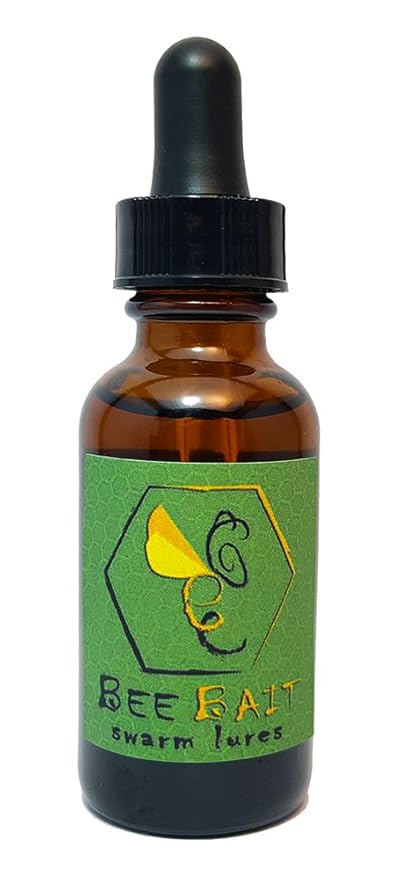 |
| Synthetic Nasonov Pheromone |
So with this, I begin further exploration of my topic!
A Closer Look: Tarsal Glands/Footprint Pheromone from Bee Culture
- About a different pheromone, but has great references and further readings to check out
- A trusted and reliable source
Nasonov Gland Anatomy Drawings from Tofilski A. Honey bee
- An abundance of anatomy illustrations!
- Not from a reliable authour, but does cite all references so one can confirm information
DIY Pheromone Recipe from Myer Farm Project
- Has a listed recipe which could be used in the experiment instead of purchasing
- Anecdotal
External Links
1. Example of a Worker Bee fanning from Girl Next Door Honey (https://vimeo.com/84241167)
Comments
Post a Comment